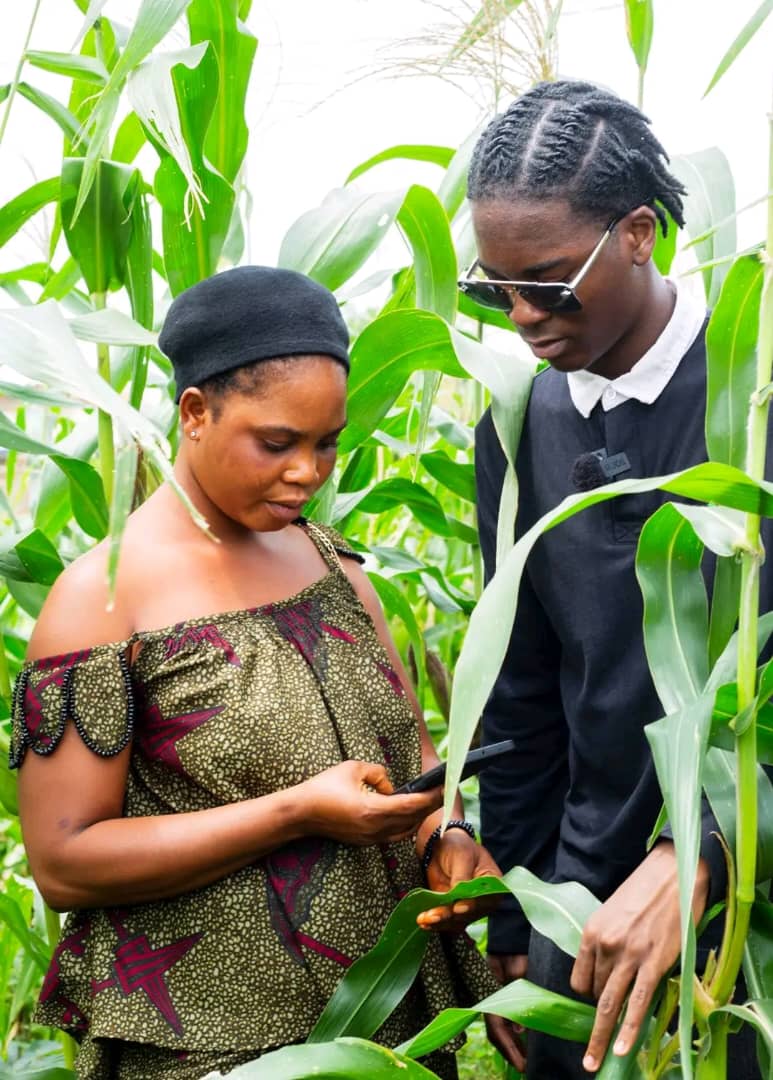
Passionate about technology and a brilliant speaker, young Dodi Daguia intends to put innovation at the service of African challenges. As head of Youth4Peace, he and his team are developing an artificial intelligence that can work without an Internet connection, to help producers identify maize diseases and pests. But his commitment does not stop at the fields. Through his organisation, he also works to introduce young people to the jobs of the future, to stimulate their creativity and to support vulnerable children. These are two dimensions of one and the same project: making innovation a lever for progress and giving young people the means to take part in the transformations of tomorrow.
PlantGuard AI: on-the-ground intelligence in the service of food security
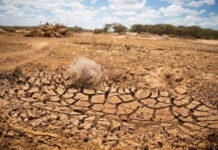
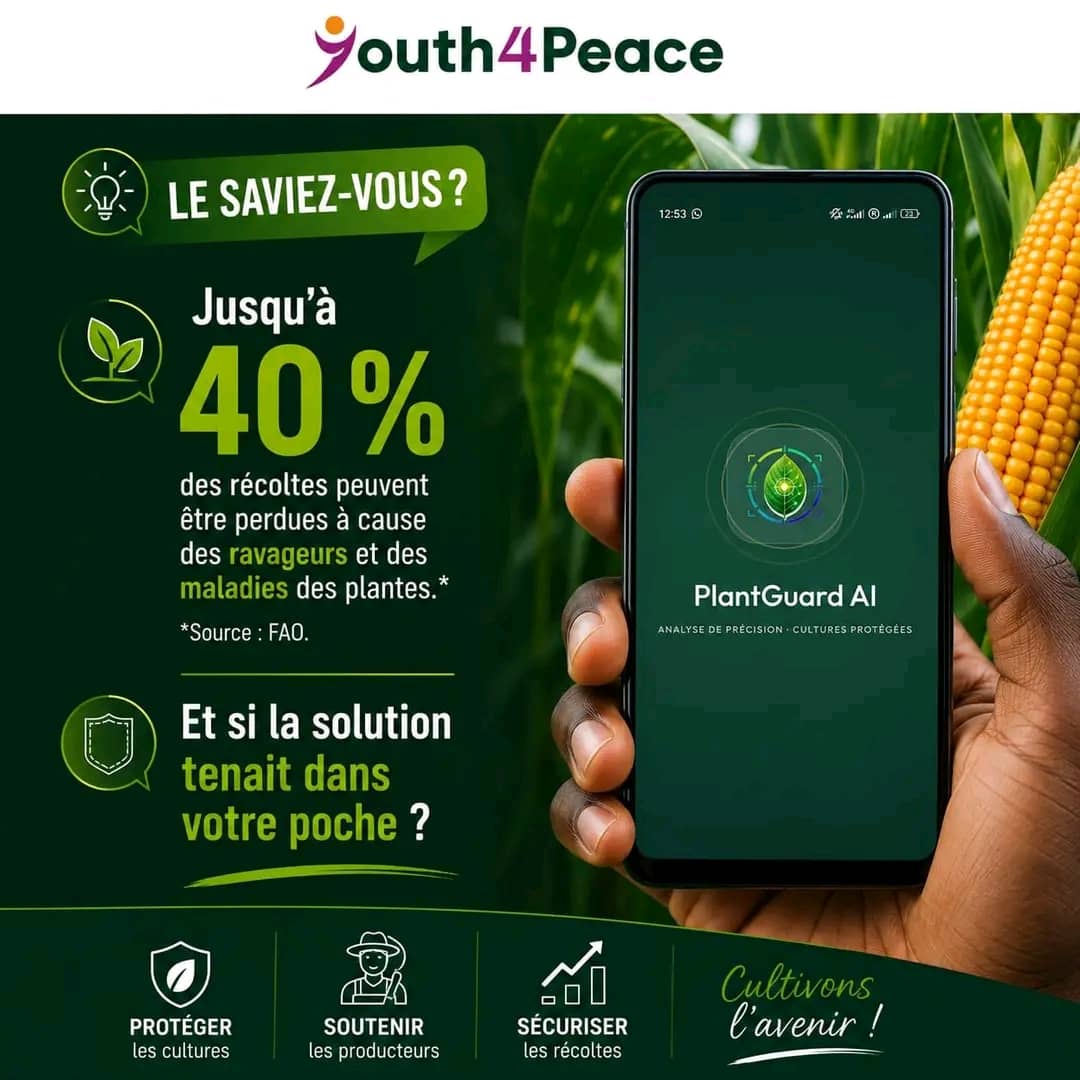
The stakes are considerable. Maize is a staple food for more than 300 million Africans. Yet, according to the FAO, pests and diseases can cause significant crop losses. In Africa, the fall armyworm alone is estimated to destroy between 8.3 and 20.6 million tonnes of maize per year, with an economic impact that may reach 6.2 billion dollars. In this context, better detection of the threats facing crops is a major issue for food security.
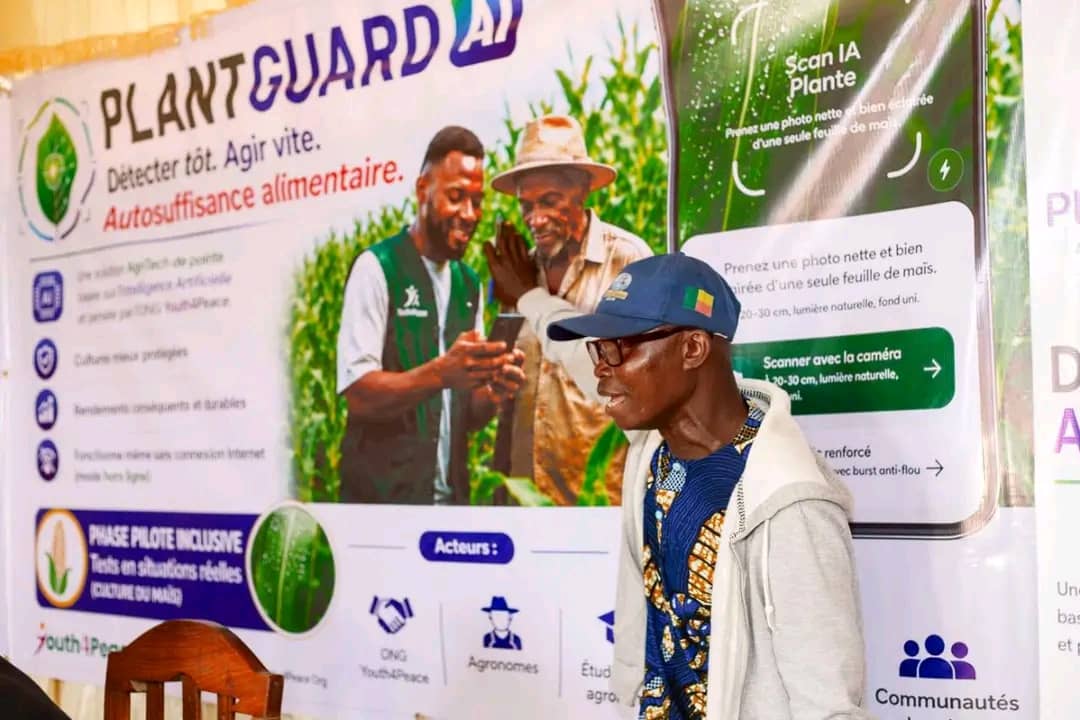
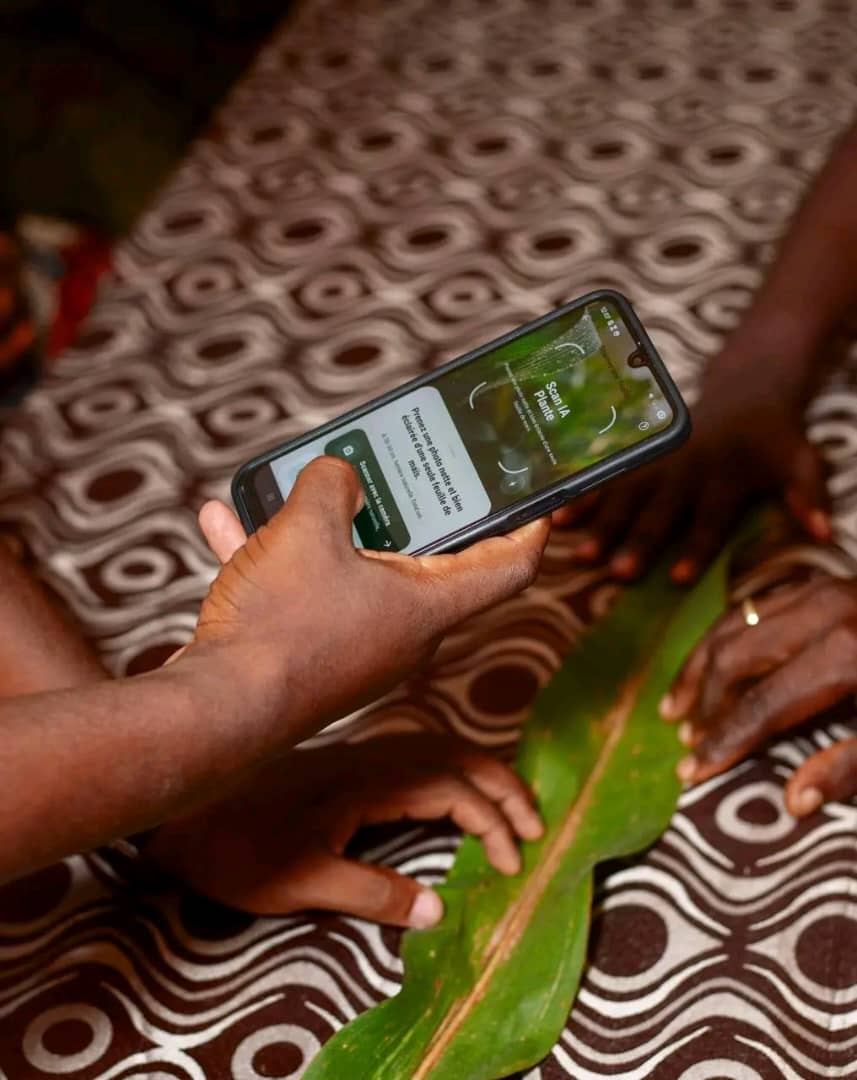
This is the problem that Dodi Daguia and his team intend to address with PlantGuard AI. The solution rests on two major innovations. The first is its ability to work entirely offline. Thanks to Google’s TensorFlow Lite, the artificial intelligence model is embedded in the smartphone, so it can be used in the fields even where there is no Internet network. The second lies in how it assesses the severity of the damage observed. Rather than looking only at the damaged area, the application offers a severity scale from 0 to 5, adapted to the nature of each threat. For rust, it measures the spotted area. For the fall armyworm, it examines the damage to the central whorl, which shelters the heart of the plant. For the streak virus, it takes into account how early the infection occurred.
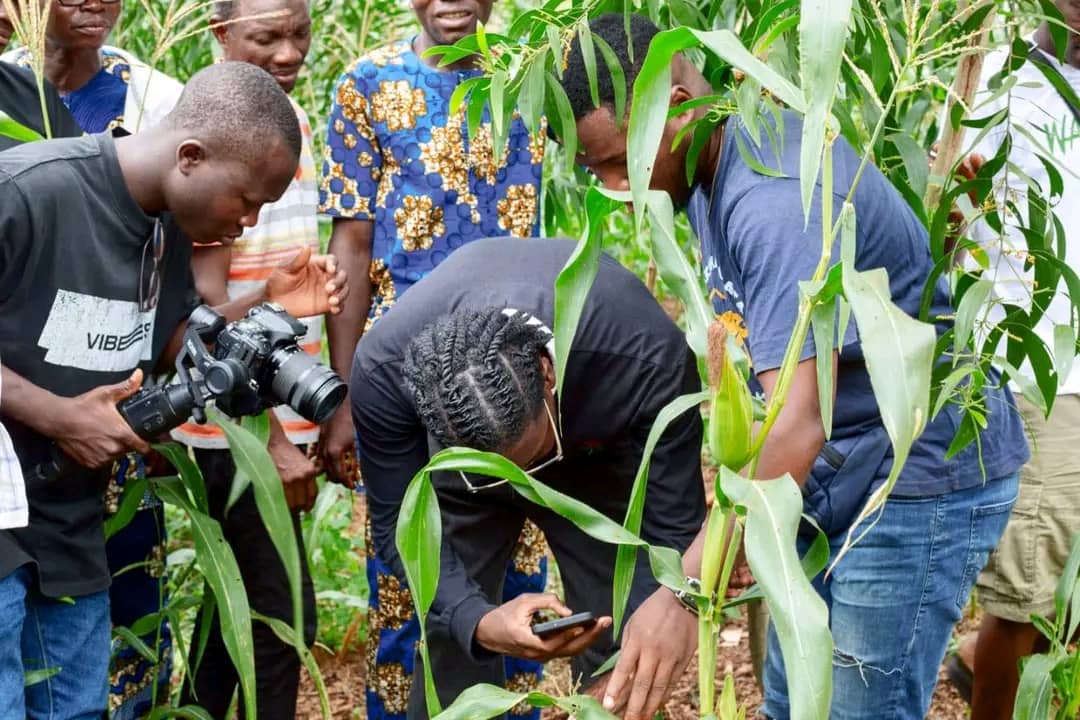
The pilot phase got under way inclusively in July 2026 on several farms, with the participation of 25 producers, including 9 women, supported by agronomists and local development associations. The current version recognises six major categories: common rust, grey leaf spot, northern leaf blight, fall armyworm, streak virus and healthy leaf. This last category allows the system to identify leaves that show no symptoms matching the targeted problems.
The application was designed to remain accessible to producers. All it takes is to photograph a leaf laid flat, from a distance of about twenty centimetres, and a result is announced in less than a second, along with a confidence rate and a colour code. If the photo is blurry, the application asks the user to take it again. When two diseases show similar symptoms, it offers a quick visual quiz to refine the diagnosis. Results can also be read aloud in French and English, and Fon and other African languages are being considered for later. Finally, the system provides recommendations based on FAO and INRAB references. Because it runs on the device itself, the diagnosis can be made without sending images to a remote service.
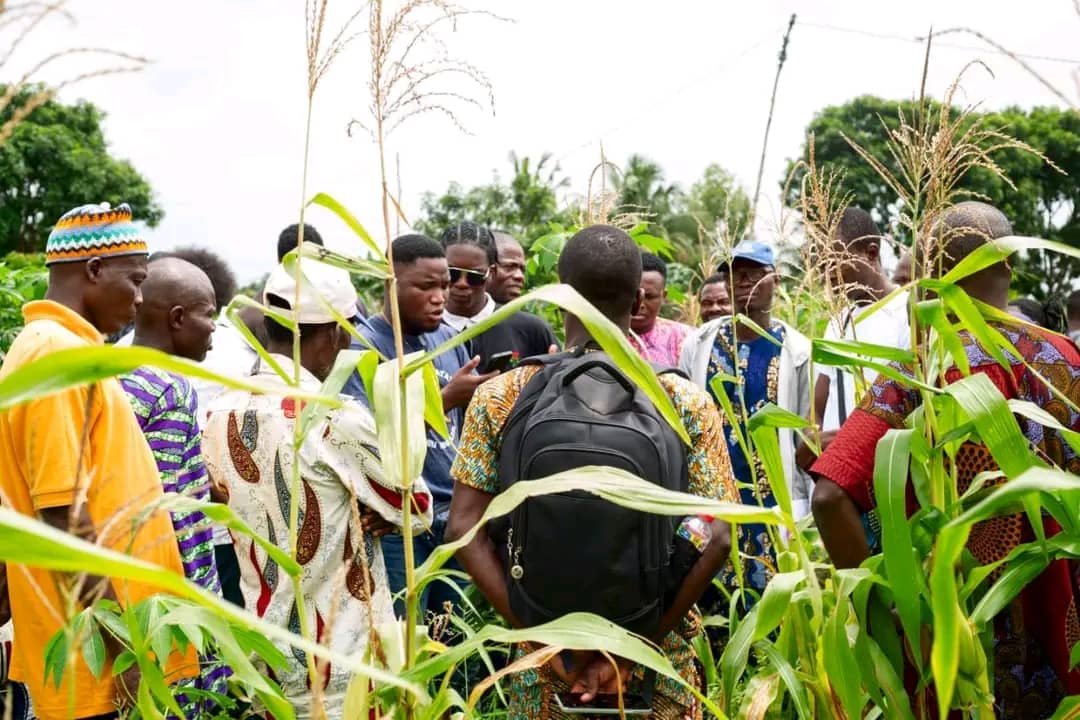
The development of PlantGuard AI continues at the pace of the farming seasons. Consolidation of the solution is planned during the short rainy season, from August to November 2026. Release on the App Store and Play Store is planned before the long rainy season in March 2027. In the longer term, the team plans to extend the application to other crops, notably soybeans and cassava.
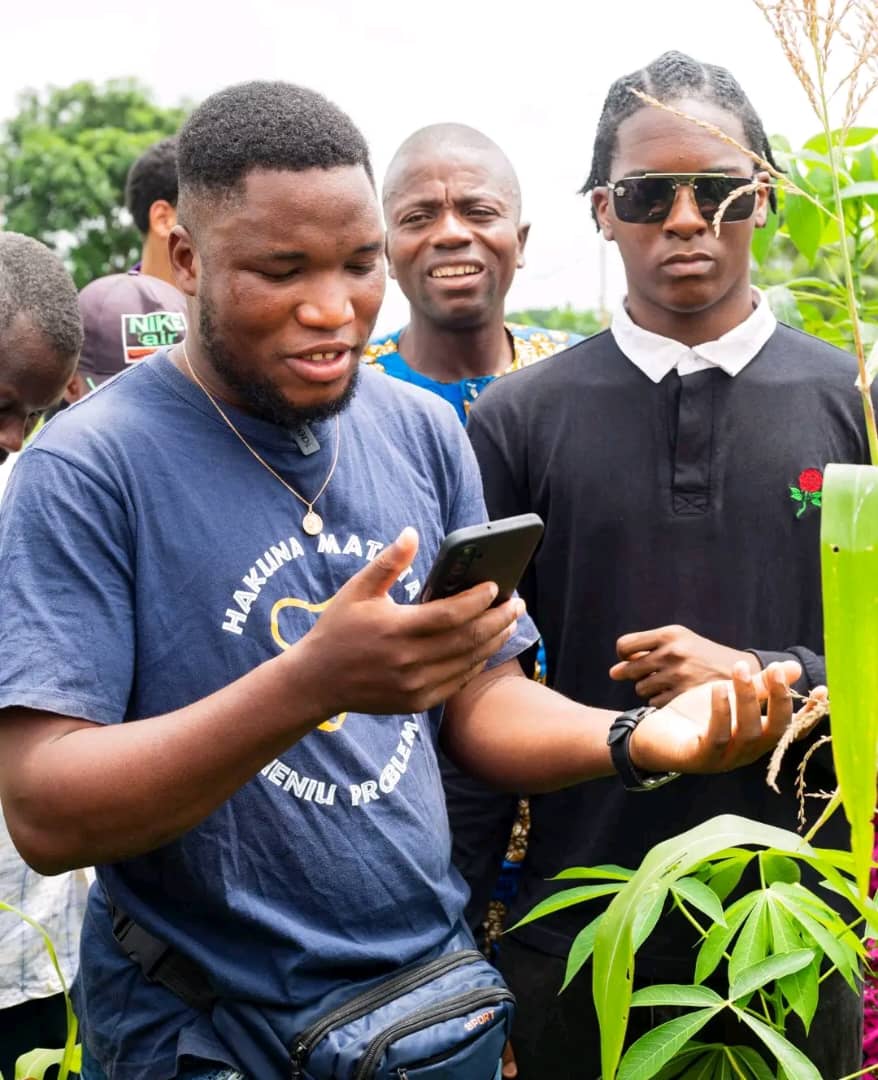
Beyond its technological dimension, PlantGuard AI illustrates a conviction held by Dodi Daguia: the most useful innovations are those that meet everyday needs. However, this philosophy goes beyond the agricultural sphere. It can also be found in Youth4Peace’s vision and its other actions.
Youth4Peace: four priorities to turn ideas into concrete action
Founded by Dodi Daguia, Youth4Peace places youth, innovation and solidarity at the heart of its commitment to solutions suited to African challenges. Its motto sums up this ambition: “Unlock potential, turn ideas into impactful action and build the solutions of tomorrow.”
To put this vision into practice, the organisation structures its commitment around four priorities:
- preparing young people for the jobs of the future
- revealing talent and stimulating creativity
- making innovation a lever for sustainable development
- supporting vulnerable children, notably through charitable work in orphanages
PlantGuard AI falls directly under the third priority. By harnessing artificial intelligence to address the difficulties faced by maize producers, the project illustrates Youth4Peace’s determination to bring forth technological solutions rooted in local realities. But the organisation does not limit its work to this first digital innovation. It also runs educational and solidarity initiatives that give substance to its other priorities. Activities organised in Oumako and Sakété show this, ranging from discovering the jobs of the future to introductions to digital technology and artistic expression.
In Oumako, discovering the jobs of the future through hands-on practice
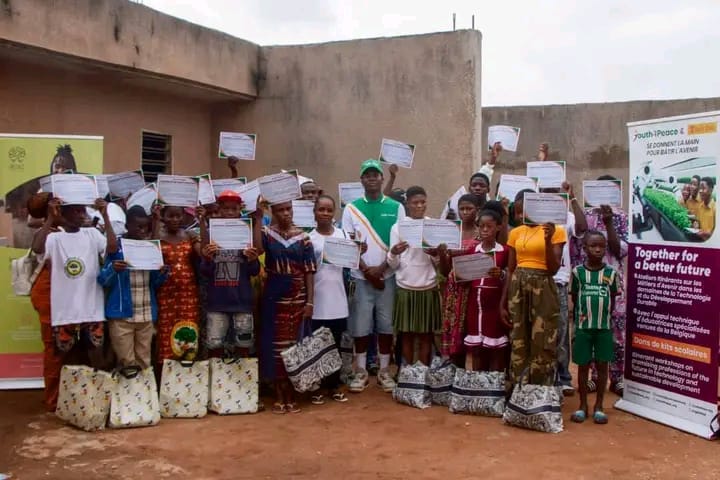
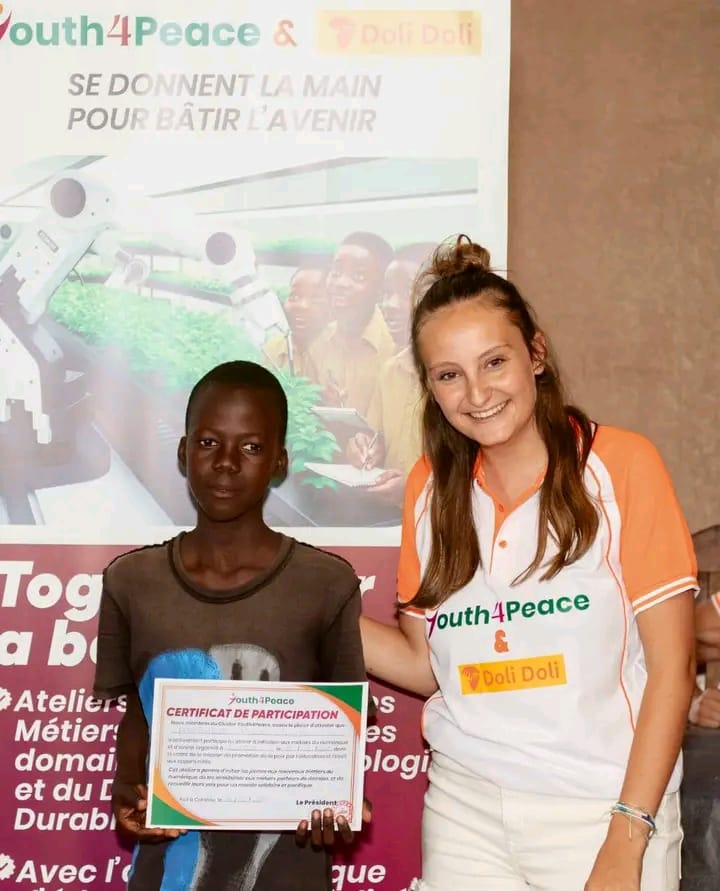
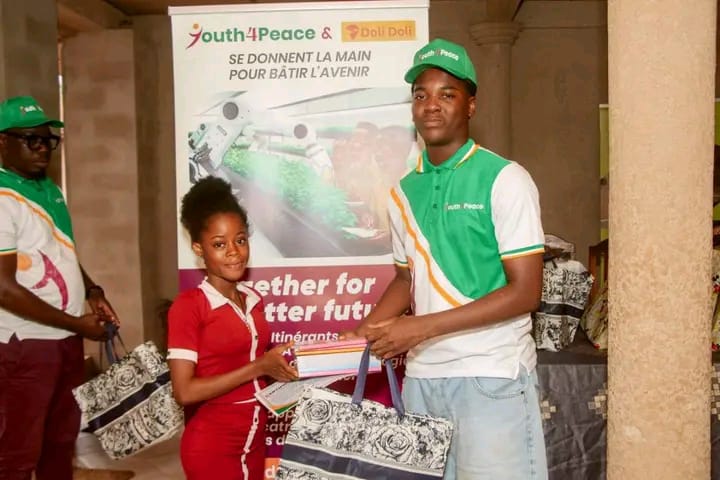
In Oumako, in the commune of Comè, on the eve of the new school year, Youth4Peace combined solidarity and learning by bringing school supplies to pupils. Organised in partnership with the international NGO Doli Doli, the initiative enabled the children to discover the jobs of the future, digital technology and renewable energy. The participants became familiar with the fablab concept and learned how to build a solar-powered lamp.
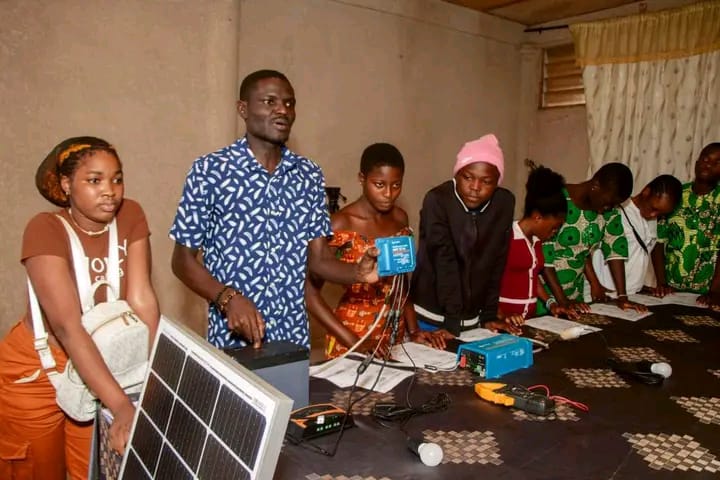
Mr Antony, who came from Belgium, led this participatory session alongside Dodi Daguia. He drew in particular on the example of Iroko FabLab, based in Cotonou. This collaborative space enables craftspeople, students and makers to turn their ideas into prototypes using digital tools, with a focus on sustainable innovation. By offering pupils a hands-on experience, Youth4Peace aims to spark their curiosity, stimulate their creativity and give them a glimpse of new career possibilities.
In Sakété, broadening horizons through digital technology and creativity
In 2025, Youth4Peace also carried out a solidarity initiative in Sakété for orphaned children. Along with food donations, the initiative introduced them to digital technology and search engines, so they could discover the world and imagine a better future. As part of this effort, the organisation also called on the young painter Ulrich Zigan, who led a large painting workshop. The children were able to express their feelings, give free rein to their imagination and give shape to their dreams. For the beneficiaries, it was “an unforgettable moment of sharing love and learning”.
This approach shows how Youth4Peace’s priorities complement one another: supporting vulnerable children, giving them access to digital tools and offering them opportunities to reveal their talents. By combining technological discovery, solidarity and artistic expression, the organisation aims to contribute to the children’s development and to broaden their ambitions.
Anchoring solutions in African realities
From diagnosing maize diseases to discovering the jobs of the future, as well as introductions to digital technology and artistic expression, Youth4Peace’s initiatives reflect one and the same determination: to turn young people’s potential into concrete opportunities and to put innovation at the service of communities.
The ability to bring energies together and turn an innovative idea into concrete action is what defines the young founder. Dodi Daguia has his sights set far ahead. He brilliantly passed his science baccalaureate, majoring in Mathematics, Physical Sciences and Chemistry, and plans to pursue university studies in technology. This teenager, who seems more mature than his age, pursues one steady aim: making digital technology more accessible and anchoring it more firmly in Beninese and, more broadly, African realities.
Thomas AZANMASSO